- AllThingsRemote
- Posts
- why your remote team feels disorganised
why your remote team feels disorganised
the 5 processes that actually make remote teams work.
In partnership with

👋 Welcome back to All Things Remote: your weekly shortcut to building lean, efficient remote teams without the chaos.
Your team isn't lazy and they’re certainly not incompetent…
Yet somehow, work keeps slipping through the cracks.
Deadlines get missed, updates go unsent. Three people work on the same thing while other work sits untouched.
Sound familiar? If so, I think your team doesn't have the basic processes remote work requires.
And without those processes, even talented people look disorganised.
In today's send:
✅ Why "winging it" works in offices but fails remotely
✅ The 5 processes every remote team needs (but most skip)
✅ How to set them up without creating more work
But first, a quick question:
What makes your remote team feel most disorganised? |
Before we dive in, imagine producing an email like this with JUST your mouth, that’s what’s possible with Wispr Flow…
Better prompts. Better AI output.
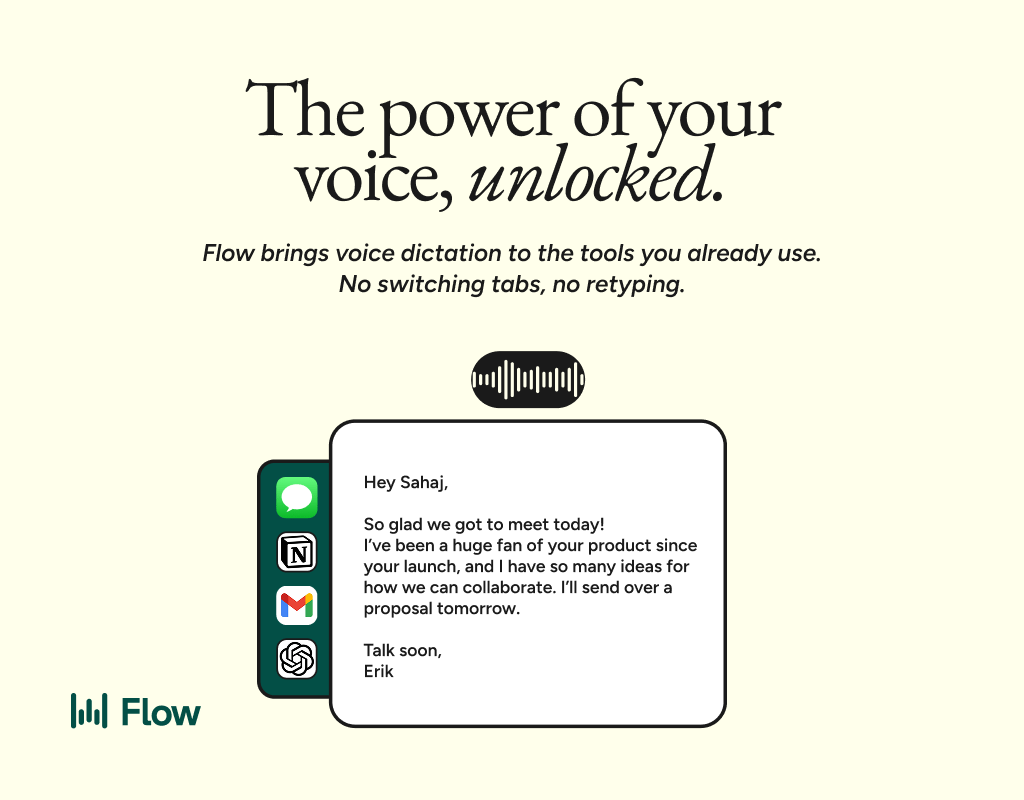
AI gets smarter when your input is complete. Wispr Flow helps you think out loud and capture full context by voice, then turns that speech into a clean, structured prompt you can paste into ChatGPT, Claude, or any assistant. No more chopping up thoughts into typed paragraphs. Preserve constraints, examples, edge cases, and tone by speaking them once. The result is faster iteration, more precise outputs, and less time re-prompting. Try Wispr Flow for AI or see a 30-second demo.
Top finds this week
In offices, you can wing it. Remote? You can't.
In an office, information flows by accident. Someone mentions a moved deadline. You overhear a conversation and realise you're needed. You see a coworker struggling and jump in.
None of that exists remotely.
Without clear processes, your team is constantly piecing together information and wondering what they missed.
The 5 processes every remote team needs
1. Communication norms (actually written down)
The problem: Everyone has different assumptions about response times, what's urgent, and where information should live.
What to do: Write down your communication rules: